
What is the difference between mold inspection and mold remediation?
Inspection finds and maps the mold; remediation removes it and fixes the moisture that caused it. Many homeowners use one company for both, but some prefer a separate inspector so the scope is independent. Either way, ask about IICRC training and make sure the company is a registered contractor before anyone opens a wall.
This page was reviewed and updated on November 4, 2026.
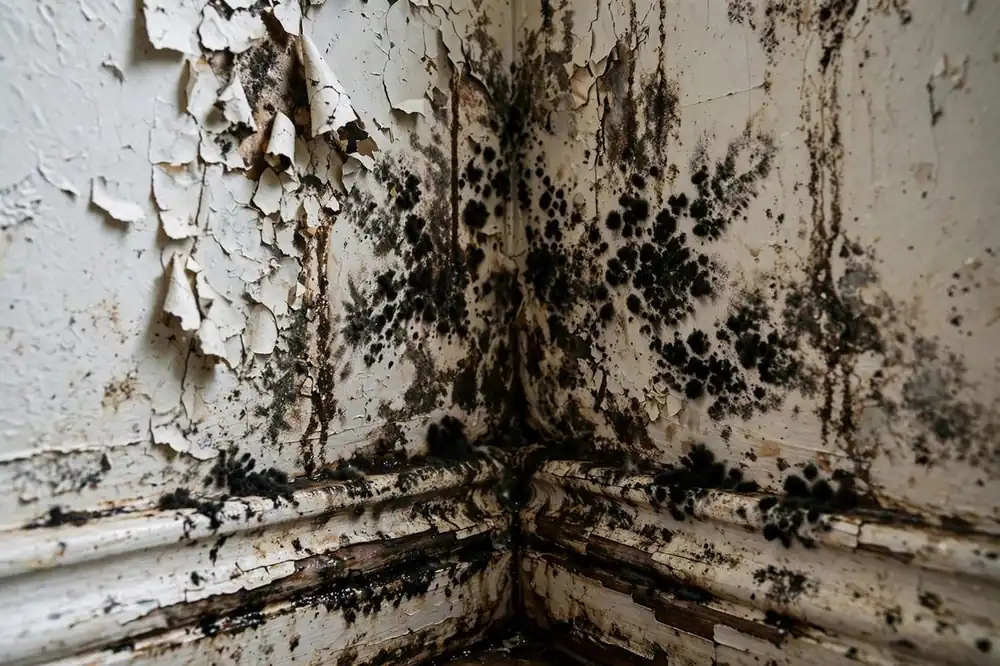
What a mold inspection does
An inspection answers three questions: is it mold, where is it, and how far has it spread? The inspector looks with eyes and lights, checks moisture in walls and floors with meters, and may take surface or air samples for a lab. You should end up with a written report and a scope: what needs to come out and what can stay. An inspection without a written scope is just a visit.
What mold remediation does
Remediation is the removal work. The crew seals off the work area so spores do not spread through the house, removes affected porous material, HEPA vacuums and filters the air, dries everything to verified readings, and treats remaining surfaces. Then comes the part people skip: fixing the moisture source. Our mold remediation page covers how that job runs in a Lacey home.
One company or two?
There is an honest debate here. A separate inspector gives you an independent scope, which some homeowners prefer when the job is large. One company for both is simpler to schedule and coordinate. Neither choice is wrong on its own. What matters is the paperwork: a written inspection scope, a written remediation plan tied to it, and moisture readings proving the result. Ask what training the crew holds. The IICRC AMRT course is the industry standard for mold work, and the company should be a registered contractor in Washington.
The moisture problem comes first
Mold is a symptom. The disease is moisture. Remediation without fixing the leak, the drainage, or the ventilation means the mold comes back, sometimes within months. Any honest scope starts with the water source: where it came from, that it is stopped, and how the area will stay dry. If a quote never mentions the moisture source, it is not a complete quote.
More guides for Lacey homeowners
- Mold Remediation in Lacey, WA
- Crawl Space Restoration in Lacey, WA
- How to Prevent Water Damage in Your Lacey Home
- See all water damage services in Lacey, WA
Frequently Asked Questions
Need Help Now?
Call (360) 363-0413. We provide emergency response throughout Lacey and Thurston County.