
What affects the cost of water damage repair?
No honest company prices a job from a photo alone. Cost follows the water category, the size of the wet area, the materials involved, how easy the area is to reach, how long the water sat, and whether mold or rebuilding is needed. A written scope after an on site look is the only real number. Compare scopes, not just totals.
This page was reviewed and updated on November 4, 2026.
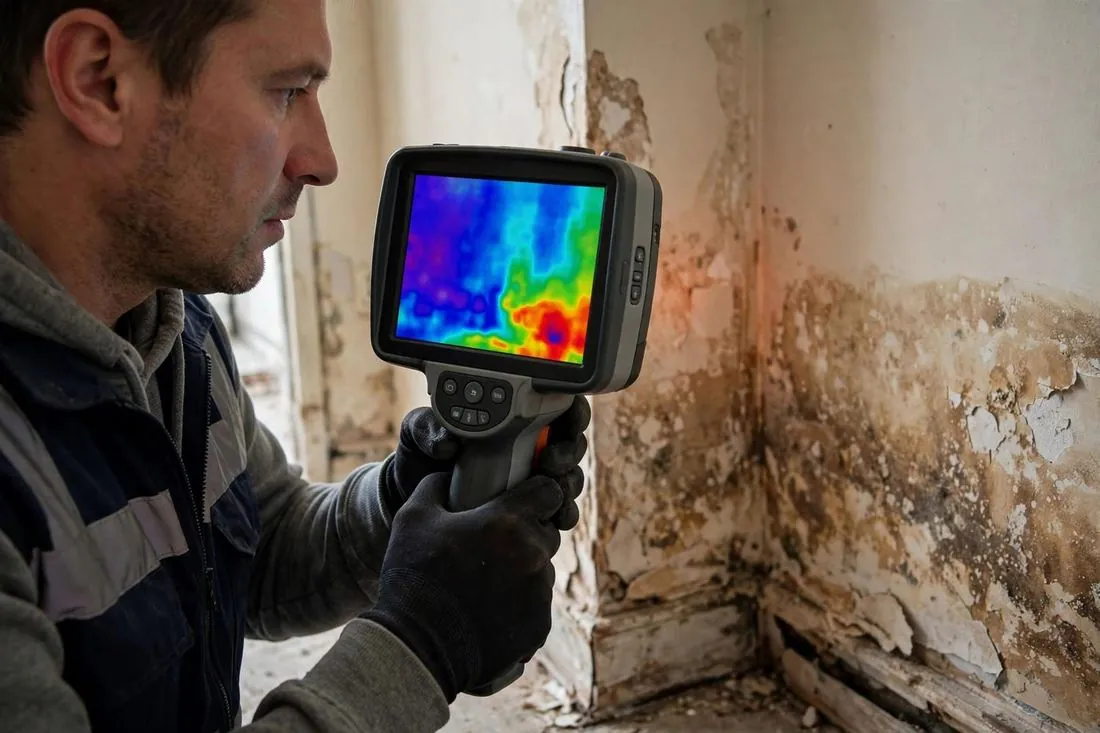
The water category sets the baseline
Clean water from a supply line is the simplest job: extract, dry, verify. Gray water adds cleaning and usually means carpet padding and other porous material cannot be saved. Black water like sewage needs containment, protective gear, removal of porous material, and antimicrobial treatment of everything left behind. Each step up the category ladder adds labor, equipment time, and disposal. Read our plain guide to the three categories if you want the full picture.
Size of the wet area and the materials in it
A single bathroom and a full basement are different universes of work. More square footage means more extraction, more drying equipment, more days. Materials matter just as much: tile over concrete is forgiving, while hardwood floors, drywall, insulation, and built in cabinets drink water and often need partial removal. Kitchens and bathrooms cost more to handle than empty rooms because everything in them has to be worked around or moved.
How easy the area is to reach
An open living room is fast. A crawl space you enter on your belly is slow. Water behind tiled shower walls, under built in shelving, or inside a finished basement ceiling takes careful opening up, and careful costs more than fast. Access is the quiet factor most homeowners never think about, and it shows up in every real estimate.
How long the water sat
Water found in an hour is a drying job. Water found after a weekend is a drying plus removal job. Water found after a month can be a drying plus removal plus mold treatment plus rebuild job. Time converts cheap phases into expensive ones, which is why the first day matters more than any other factor you control.
Rebuild after drying is a separate phase
Drying and rebuilding are two jobs with two scopes. Structural drying gets the structure to verified dry readings. Then drywall, flooring, paint, and trim go back in. Some estimates show only the drying, some show both. Make sure you know which one you are comparing before you compare numbers.
How to compare estimates fairly
Line up the scopes side by side and check that each one lists the same work: extraction, drying equipment and days, what gets removed, antimicrobial treatment, and whether rebuild is included. Ask each company the same questions. The bid that skips drying verification or containment is not cheaper, it is just shorter on paper. The complete scope at a fair number beats the thin scope at a low number every time.
More guides for Lacey homeowners
- Structural Drying in Lacey, WA
- Water Damage Services in Lacey, WA
- How Long Does Water Damage Restoration Take?
- See all water damage services in Lacey, WA
Frequently Asked Questions
Need Help Now?
Call (360) 363-0413. We provide emergency response throughout Lacey and Thurston County.